Waterproofing is a vital component in the construction and renovation process, designed to protect structures from the damaging effects of water intrusion. Without effective waterproofing, areas exposed to moisture — such as bathrooms, balconies, rooftops, and wet zones — become vulnerable to mold growth, structural decay, and costly repairs. This preventative solution acts as a protective barrier, preserving the integrity of surfaces and the safety of the spaces they support.
Every building, whether residential or commercial, faces some degree of water exposure. Proper waterproofing ensures that moisture is kept out of walls, floors, and foundations, preventing long-term issues that can go unnoticed until serious damage has occurred. From water seepage in basements to leaks behind tiled walls, the impact of poor waterproofing is extensive and expensive. That’s why it is essential to engage skilled professionals who understand the science behind water movement and material compatibility.
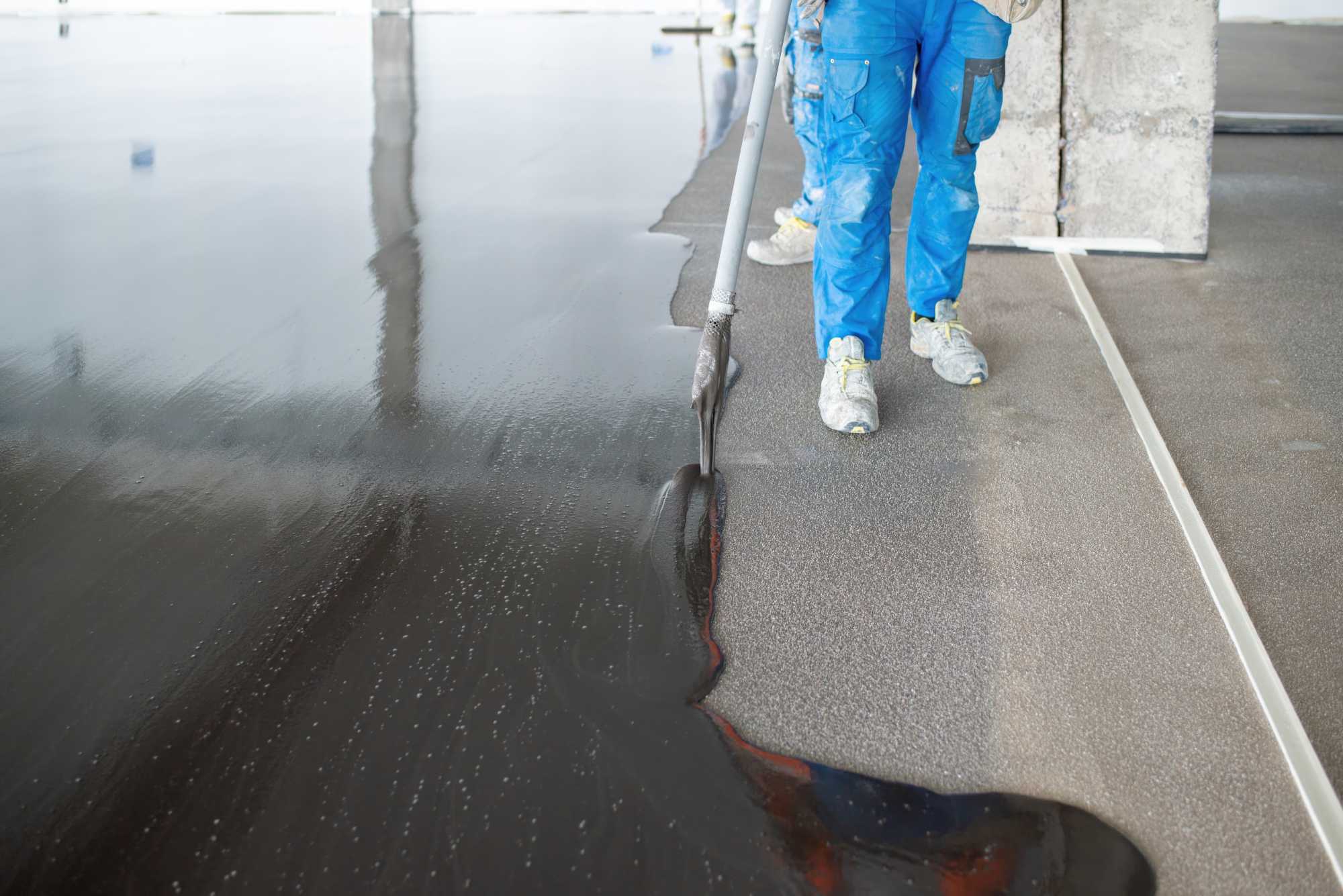
The process begins with a thorough inspection of the area to identify any existing damage, potential weak spots, or environmental factors that could impact the application. Each surface is then prepped by cleaning, priming, and ensuring a smooth, dry substrate. The choice of waterproofing system — whether it’s liquid membranes, sheet systems, or cementitious coatings — depends on the location, substrate material, and intended use of the space.
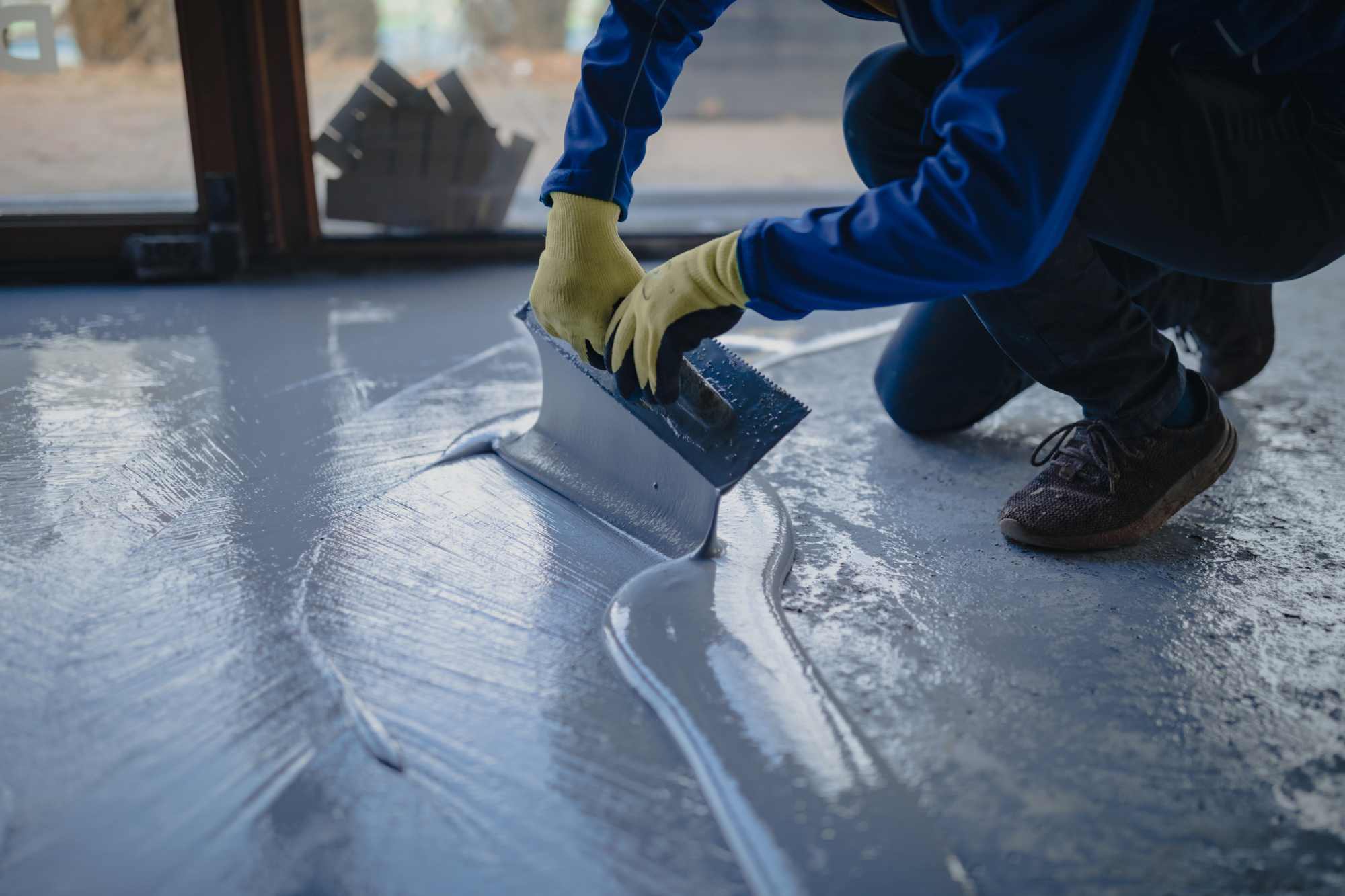
In high-moisture areas like bathrooms and laundries, flexible liquid membranes are often applied in multiple coats to form a seamless barrier. These products are designed to stretch and move with the building, reducing the risk of cracking over time. Corners, junctions, and plumbing penetrations receive extra attention through reinforcement tapes or banding to create a continuous seal around vulnerable areas.
For outdoor spaces such as balconies and terraces, the waterproofing solution must be UV-stable and weather-resistant. These areas endure constant exposure to temperature fluctuations, rainfall, and foot traffic, requiring a system that can withstand such conditions without breaking down. Proper slope and drainage are also incorporated to direct water away efficiently, avoiding pooling and potential seepage into interior spaces.
Another critical factor in waterproofing success is adherence to building codes and product specifications. Professionals ensure that all applications meet local compliance requirements and are backed by manufacturer warranties. In some projects, independent testing is conducted to verify that the barrier has been applied correctly and performs as expected under pressure.
Quality waterproofing also plays a foundational role in the longevity of surface finishes like tiles, paints, and floor coverings. When moisture is effectively blocked, these decorative layers stay intact, preventing discolouration, peeling, or adhesive failure. This means the aesthetic appeal of the space is preserved while maintenance needs are kept to a minimum.
Ultimately, waterproofing is an investment in peace of mind. It’s a behind-the-scenes solution that often goes unnoticed — until it fails. With the right materials, skilled application, and attention to detail, it forms a dependable line of defense against water damage, ensuring that the spaces you build or renovate remain safe, strong, and dry for years to come.