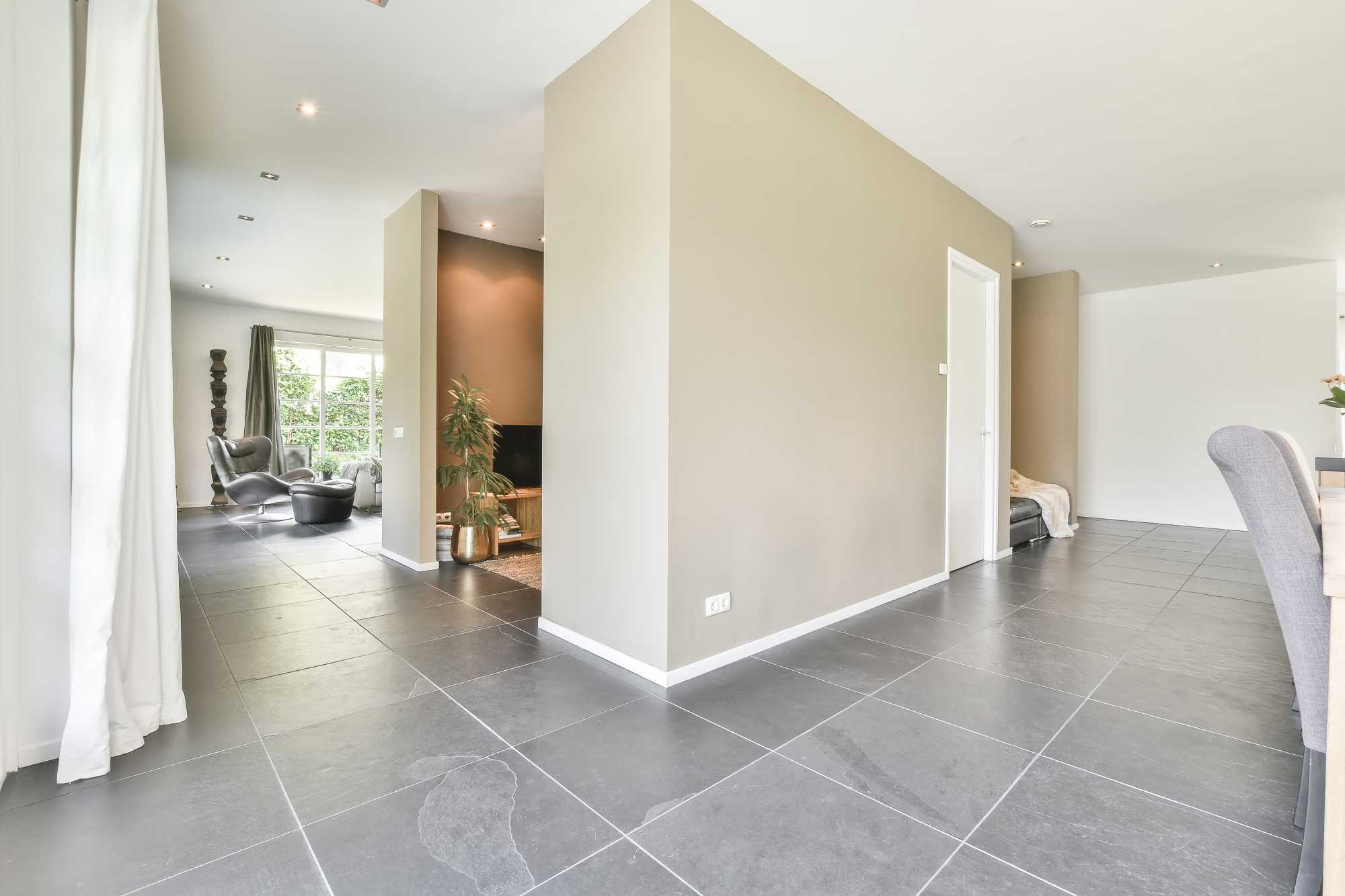
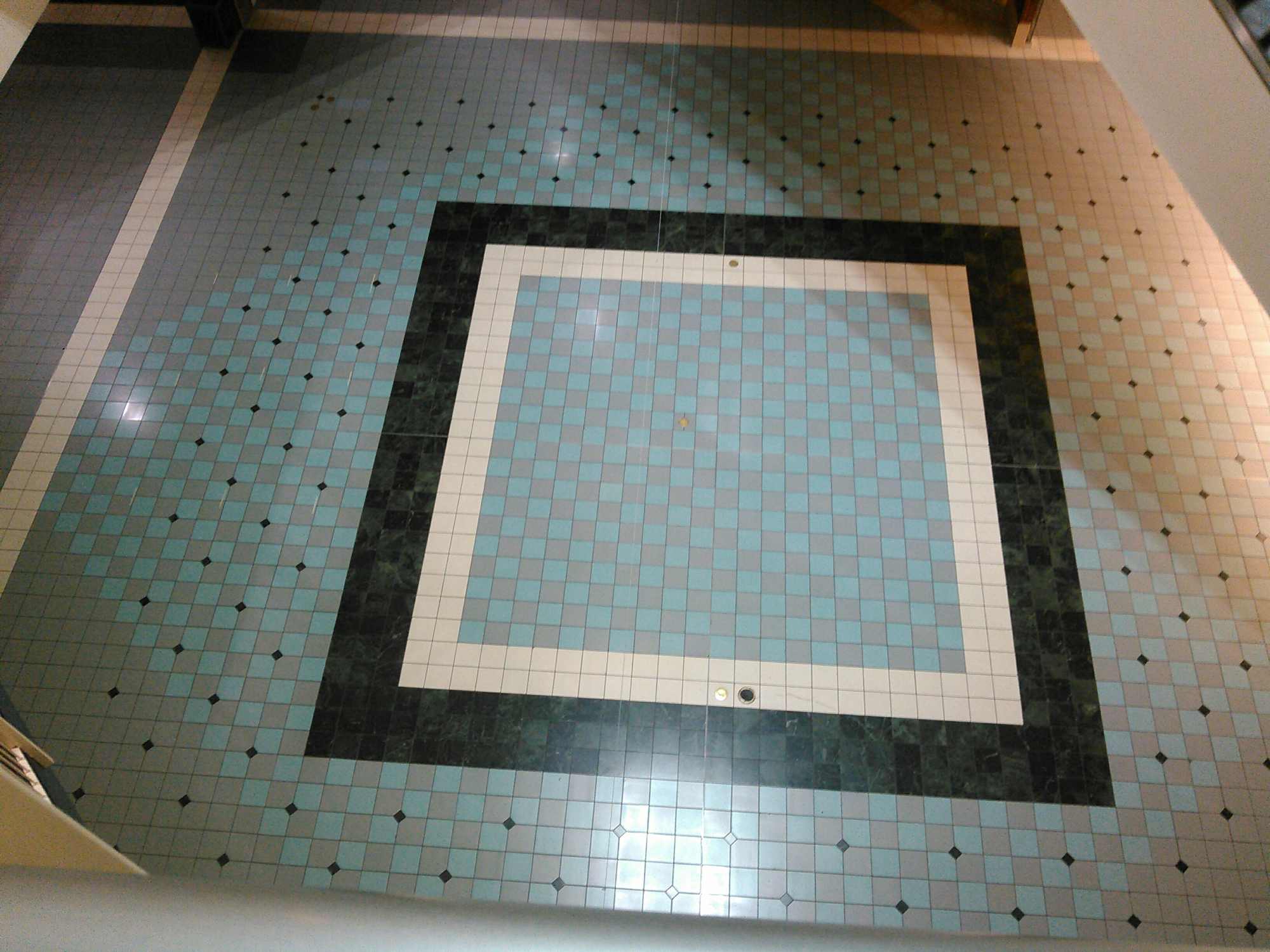
Tiling is both a functional necessity and a powerful design element that can dramatically transform a space. Whether for a bathroom, kitchen, hallway, or commercial interior, the right tile choice combined with expert installation can elevate aesthetics and improve durability. A well-tiled surface not only enhances the visual appeal of a room but also adds value and longevity to the property.
Choosing the right tile requires a thorough understanding of the space’s function, exposure to moisture, and traffic levels. Materials like ceramic and porcelain are excellent for wet areas, while natural stone or mosaics can add a sophisticated touch to living spaces. From minimalist matte finishes to bold, patterned styles, each tile type brings its own personality to the room. A professional approach ensures that these materials are selected and installed with precision, achieving a seamless blend of beauty and purpose.
The tiling process starts with meticulous preparation. This includes surface levelling, substrate inspection, and planning layouts to avoid awkward cuts or mismatched patterns. Proper surface preparation is essential for ensuring tile adhesion and preventing issues like cracking or lifting down the line. Using laser levels and chalk lines, installers map out tile placements with accuracy, ensuring every piece is aligned perfectly from start to finish.
Adhesive application is the next critical step. Using the correct adhesive for the tile and substrate type is vital for long-term durability. Whether laying tiles on concrete, timber, or wallboard, professionals apply just the right amount of bonding agent and pressure to avoid unevenness or weak spots. This technical knowledge ensures the tiled surface remains structurally sound for years to come.
Grouting is where function meets finesse. The right grout colour can either blend in for a seamless look or create striking contrast for visual impact. More importantly, grouting seals the spaces between tiles, protecting the substrate from moisture and debris. An expert eye ensures that grout lines are consistent, clean, and durable — forming a tight, polished finish that resists stains and water intrusion.
Tiling is also about adapting to unique layouts and conditions. From sloping shower floors to curved kitchen islands, each project presents its own set of challenges. Skilled tradespeople use advanced tools like tile cutters, wet saws, and spacers to handle complex angles and tricky spaces. This adaptability is crucial in achieving professional-grade results in both residential and commercial environments.
Maintenance and aftercare also play a vital role in the tiling process. Clients are guided on how to clean and protect different tile surfaces to maintain their appearance over time. This includes using pH-neutral cleaners, sealing natural stone tiles, and avoiding abrasive materials. With the right care, tiled surfaces can remain beautiful and functional for decades.
In essence, tiling is a balance of design insight and construction expertise. It requires not just technical skills but a strong sense of style, spatial awareness, and attention to detail. When done correctly, tiling provides a sleek, durable finish that complements any interior or exterior space while standing up to daily use and wear.