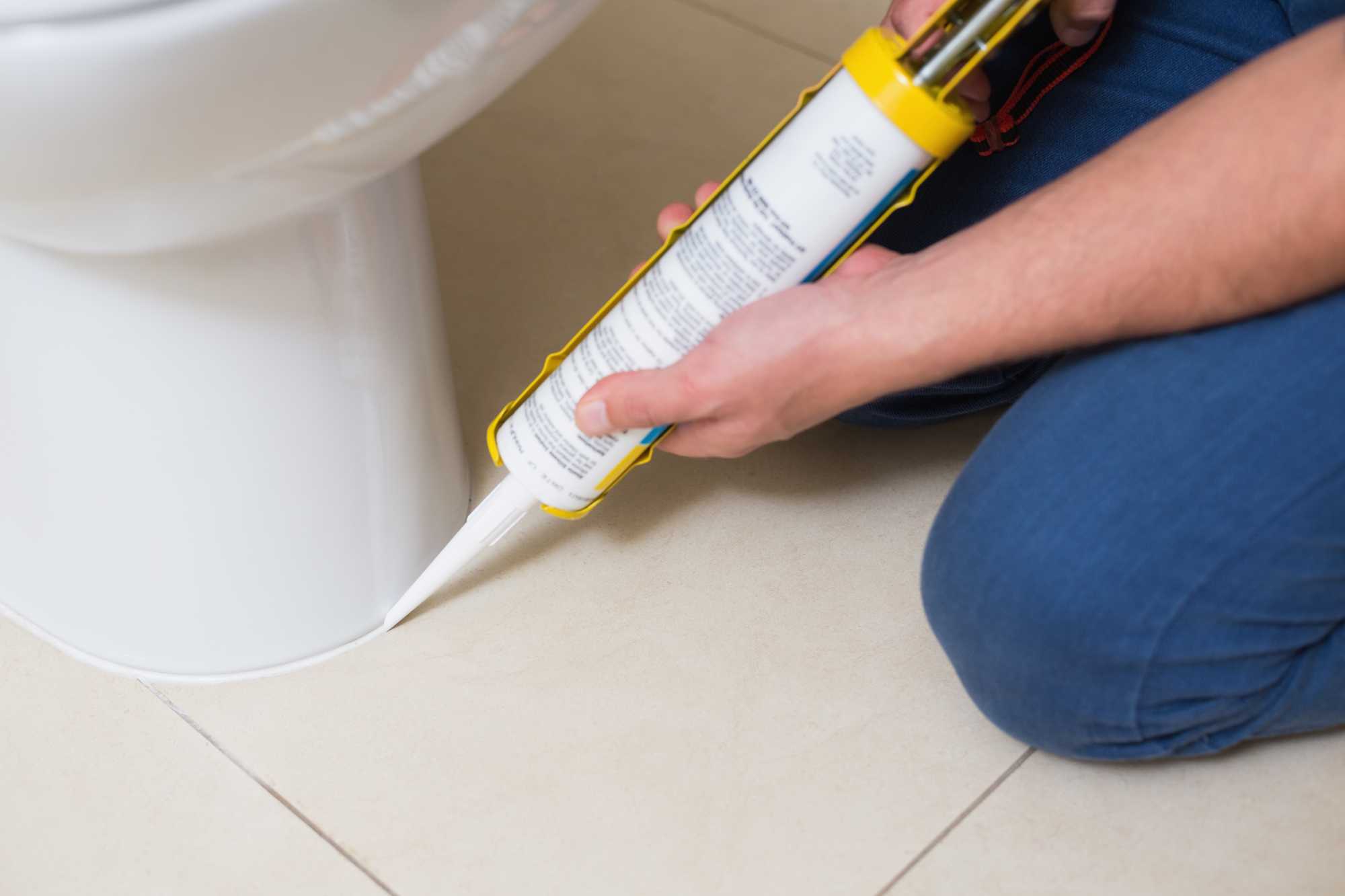
Caulking may seem like a small finishing touch, but it plays a major role in protecting structures from moisture, drafts, and unsightly gaps. It is the process of sealing joints and seams in various surfaces with a flexible, waterproof material. Whether it’s around bathtubs, sinks, tiles, windows, or skirting boards, proper caulking ensures durability, cleanliness, and a professional look that completes the space.
One of the primary functions of caulking is to prevent water ingress, particularly in wet areas like bathrooms, kitchens, and laundries. Water that seeps into gaps can lead to mold growth, wood rot, and damage to underlying structures. A properly sealed joint acts as a barrier, protecting both the surface and the materials beneath. This is especially critical in areas prone to splashes or condensation.
In addition to moisture protection, caulking also improves thermal insulation and energy efficiency. Gaps around windows and doors can let in drafts, affecting indoor temperatures and increasing energy costs. By sealing these spaces with high-quality caulk, air leakage is minimized, helping maintain a more consistent indoor environment and reducing the workload on heating and cooling systems.
The choice of caulk depends on the location and materials involved. Silicone-based caulks are popular for wet areas due to their flexibility and resistance to mold, while acrylic latex caulks are ideal for interior trim and dry surfaces. Colour matching is also taken into account to ensure the sealant blends seamlessly with surrounding finishes, enhancing both function and visual harmony.
Application is a skilled task requiring precision and a steady hand. After preparing the surface by cleaning and drying it thoroughly, caulk is applied in smooth, even lines using a caulking gun. Excess material is carefully smoothed out with a tool or finger to create a neat, uniform bead that fills the joint completely. A clean and consistent application adds polish and professionalism to any job.
Caulking is not just a one-time task—it should be maintained and replaced over time. As buildings settle and materials expand or contract with temperature changes, caulking can crack, peel, or detach. Regular inspection and timely re-caulking help ensure that the protective seal remains effective, extending the life of tiled areas, fixtures, and building components.
Beyond its practical benefits, caulking also contributes to the visual quality of a space. Gaps and irregular joints can detract from even the most expertly tiled or painted surfaces. A fine caulking line conceals imperfections and creates a sharp, finished look that enhances the overall aesthetic appeal of a room.
In summary, caulking is an essential element in both new construction and renovations. It ensures water resistance, improves energy efficiency, and delivers a clean, professional finish. While it may be one of the final steps in a project, its impact is long-lasting, making it a smart and necessary detail in any well-executed build.